
Misinformation and Disinformation in Social Media
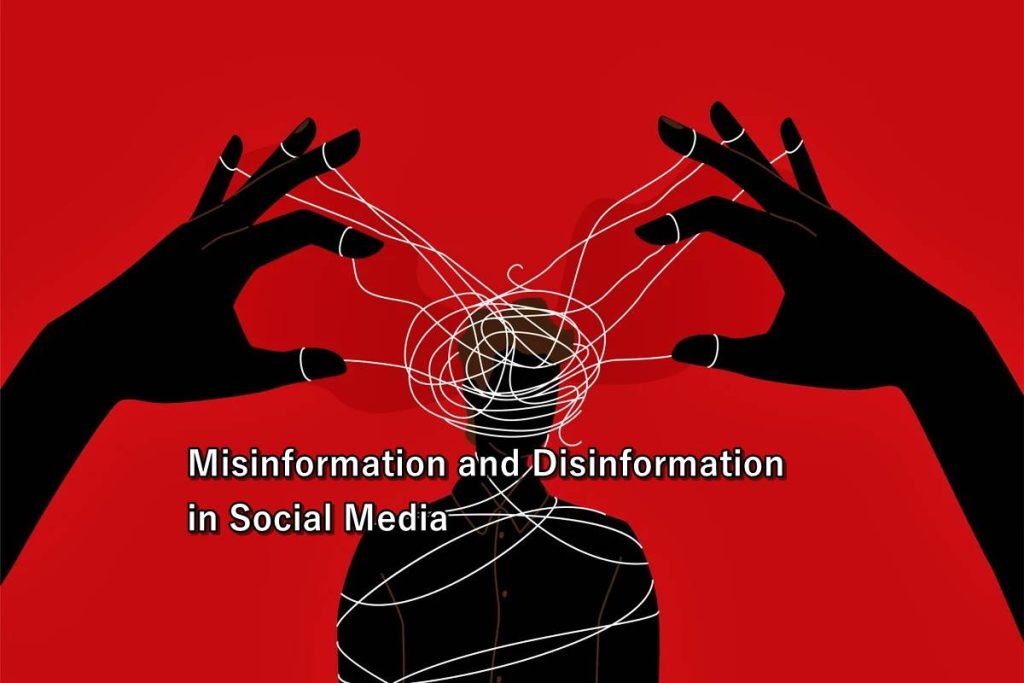
In the twenty-first century, social media has revolutionized the way people communicate, access information, and shape opinions. Platforms such as Facebook, X (formerly Twitter), Instagram, TikTok, and YouTube have connected billions of users across the globe, transforming them into both consumers and producers of content. However, the democratization of information has also given rise to one of the most pressing challenges of our time — the rapid spread of misinformation and disinformation.
These phenomena have far-reaching consequences: they distort public perception, polarize societies, undermine trust in institutions, and even endanger lives. Whether during elections, pandemics, or social movements, false or misleading information spreads faster and more widely than verified facts. This essay explores the nature, causes, consequences, and possible solutions to the growing problem of misinformation and disinformation in social media.
Understanding Misinformation and Disinformation
Though often used interchangeably, misinformation and disinformation are distinct concepts that differ in intent.
- Misinformation refers to false or inaccurate information shared without malicious intent. For example, a person might share a misleading health tip on Facebook, genuinely believing it to be true.
- Disinformation, on the other hand, refers to false information deliberately created and disseminated to deceive or manipulate others. It often serves political, ideological, or financial purposes. Examples include fabricated news stories designed to sway elections or promote propaganda.
A related concept is malinformation, which involves sharing true information out of context or in a way that causes harm, such as releasing private emails or videos to damage reputations. Together, these forms of false information create what experts call the “infodemic” — a flood of information, both true and false, that overwhelms the public’s ability to discern fact from fiction.
The Rise of Social Media as an Information Ecosystem
Before the rise of social media, traditional media — newspapers, television, and radio — acted as primary gatekeepers of information, adhering (at least in theory) to editorial standards and verification processes. The advent of social media dismantled these hierarchies, allowing anyone with internet access to publish and share information instantly.
This shift brought both empowerment and vulnerability:
- User-generated content: Anyone can become a “news source,” blurring the line between journalism and opinion.
- Echo chambers: Algorithms feed users content aligned with their beliefs, reinforcing biases and isolating them from opposing views.
- Anonymity: Users can hide behind fake accounts or bots to spread false narratives without accountability.
Consequently, social media has become both a tool for democratic expression and a vector for misinformation.
Causes of Misinformation and Disinformation on Social Media
Algorithmic Amplification
Social media platforms use algorithms to maximize engagement and advertising revenue. These algorithms prioritize content that generates clicks, likes, and shares — often sensational or emotionally charged material. Studies show that false news spreads faster and reaches more people on social media than factual reports.
Psychological Factors
Humans are naturally drawn to information that confirms their existing beliefs, a phenomenon known as confirmation bias. Moreover, emotional content triggers stronger reactions, leading users to share without verifying accuracy. Cognitive shortcuts, trust in peers, and low digital literacy exacerbate susceptibility to misinformation.
Political Manipulation and Propaganda
Governments, political groups, and extremist organizations exploit social media to manipulate public opinion. Troll farms, bot networks, and state-sponsored disinformation campaigns have become powerful tools of influence. The 2016 U.S. presidential election, for example, witnessed extensive disinformation campaigns orchestrated by foreign actors to sow division and distrust.
Economic Incentives
Fake news can be profitable. Clickbait websites and YouTube channels earn revenue from advertising based on page views and engagement. Fabricated stories with shocking headlines attract more traffic than sober factual reporting.
Low Media and Digital Literacy
Many users lack the critical thinking skills or training to verify information sources. In developing countries, where digital literacy is still evolving, misinformation can spread unchecked, particularly through messaging apps like WhatsApp and Telegram.
Examples of Misinformation and Disinformation in Social Media
The COVID-19 “Infodemic”
During the COVID-19 pandemic, social media became flooded with false claims about cures, vaccines, and the origins of the virus. Myths such as “drinking hot water kills the virus” or “5G networks cause COVID-19” spread faster than official health advisories. According to the World Health Organization (WHO), this infodemic hampered public health responses and fueled vaccine hesitancy.
Election Interference
Elections around the world have been targeted by disinformation campaigns designed to manipulate voters. In 2016, Russian-linked accounts on Facebook and Twitter spread divisive content to influence the U.S. election. Similar tactics were used during Brexit and other national elections, eroding public trust in democratic processes.
Ethnic and Religious Violence
In countries such as Myanmar, India, and Sri Lanka, false information shared on Facebook and WhatsApp has incited violence against minority communities. Fabricated stories and doctored videos amplified hate speech, leading to real-world harm and fatalities.
Deepfakes and Synthetic Media
The emergence of deepfakes — AI-generated videos or images that convincingly mimic real people — has intensified the disinformation crisis. Fake videos of politicians, celebrities, or public figures can be used to spread false narratives, blackmail, or propaganda, making it harder for audiences to trust digital media.
The Consequences of Misinformation and Disinformation
Threat to Democracy
False information undermines electoral integrity by confusing voters, distorting debates, and promoting polarization. Disinformation campaigns exploit social divisions to weaken democratic institutions and trust in governance.
Public Health Risks
Health-related misinformation can have deadly consequences. False claims about vaccines or treatments discourage people from following scientific guidance, contributing to outbreaks and deaths.
Social Polarization
Social media misinformation deepens ideological divides. By isolating users in echo chambers, it fosters “us vs. them” mentalities, eroding social cohesion and empathy.
Erosion of Trust in Media
When users encounter constant falsehoods online, they may lose trust in all media — including credible journalism. This trust deficit creates a vacuum that allows conspiracy theories and fringe narratives to thrive.
Economic and Reputational Damage
Businesses and individuals can suffer reputational harm due to false information. For example, rumors about product defects or scandals can cause stock prices to crash or trigger boycotts.
Combating Misinformation and Disinformation
Addressing misinformation requires a multi-faceted strategy involving technology companies, governments, educators, and individuals.
Platform Accountability
Social media companies have begun implementing measures to curb misinformation:
- Content Moderation: Platforms now use AI and human moderators to flag or remove false content.
- Fact-Checking Partnerships: Facebook, Instagram, and X collaborate with independent fact-checking organizations to label misleading posts.
- Algorithm Transparency: Regulators are pressuring tech firms to disclose how algorithms prioritize and promote content.
However, these efforts face criticism for inconsistencies, lack of transparency, and potential threats to free speech.
Government Regulations
Many governments have enacted or proposed laws to combat online misinformation.
- The European Union’s Digital Services Act (2024) requires platforms to remove harmful content and disclose algorithmic decision-making.
- Countries like Singapore and Germany have implemented “fake news” laws imposing fines on platforms that fail to act against false information.
Nevertheless, such laws can be misused by authoritarian regimes to silence dissent, highlighting the delicate balance between regulation and freedom of expression.
Media and Digital Literacy
Long-term solutions depend on education. Schools, universities, and community organizations must teach digital literacy — the ability to evaluate sources, detect bias, and verify facts. Encouraging critical thinking and skepticism empowers users to resist manipulation.
Role of Journalism
Professional journalists play a vital role in countering misinformation through investigative reporting and fact-checking. Initiatives like Reuters Fact Check, Snopes, and PolitiFact debunk viral hoaxes and provide accurate context.
Artificial Intelligence in Detection
AI-driven tools can analyze massive volumes of data to identify coordinated disinformation campaigns, detect bots, and flag fake images or videos. However, AI can also generate misinformation (e.g., deepfakes), creating a dual-use dilemma.
Community Engagement and Grassroots Movements
Civil society organizations and NGOs are mobilizing to combat misinformation at the community level. Campaigns such as #ThinkBeforeYouShare and StopFake.org encourage users to verify content before spreading it further.
Ethical and Legal Challenges
Free Speech vs. Regulation
Efforts to remove false content raise concerns about censorship. Who decides what constitutes “truth”? Striking a balance between preventing harm and preserving freedom of expression remains a core ethical dilemma.
Cultural and Political Bias
Fact-checking and moderation may reflect cultural or political biases. What is considered misinformation in one context may be viewed as dissent in another. Global platforms must navigate diverse political environments and value systems.
Privacy and Surveillance
In combating disinformation, platforms often expand data collection to track behavior and verify content authenticity. This raises privacy concerns and the potential for surveillance abuse.
The Role of Artificial Intelligence and Emerging Technologies
AI technologies are both part of the problem and the solution.
- Problem: AI-generated deepfakes, synthetic voices, and text-based misinformation can deceive audiences more effectively than traditional fake news.
- Solution: AI-powered verification tools can analyze metadata, detect manipulation artifacts, and flag coordinated inauthentic behavior.
Emerging technologies like blockchain may help by providing immutable records of content provenance, ensuring that users can verify when and where a piece of content was created.
The Future of Truth in the Digital Age
The battle against misinformation is not merely technical—it is cultural, political, and philosophical. As the digital environment evolves, society must adapt its understanding of truth and authenticity. Future trends include:
- Regulation of Generative AI to prevent misuse in propaganda.
- Collaborative verification networks combining human judgment and AI.
- Ethical design of algorithms to promote credible sources over sensationalism.
- User empowerment through labeling, transparency, and choice in what content they see.
In the long term, combating misinformation will require a global alliance of policymakers, educators, technologists, and citizens committed to rebuilding the foundations of trust.
Conclusion
Misinformation and disinformation in social media represent one of the defining challenges of the digital era. What began as a revolution in communication has evolved into an ecosystem where truth competes with deception for attention. The consequences—ranging from public health crises to political polarization—underscore the urgent need for collective action.
Social media companies must take responsibility for the systems that amplify falsehoods; governments must craft balanced regulations; educators must foster digital literacy; and individuals must exercise critical judgment before sharing information.
Ultimately, the fight against misinformation is a fight for truth itself. In a world where every user is both a publisher and a consumer, the preservation of truth depends not only on technology but on the ethical choices of each digital citizen.
Only through vigilance, education, and transparency can society ensure that social media remains a tool for connection and enlightenment — not division and deceit.
Writer: Tahsin Ahmed